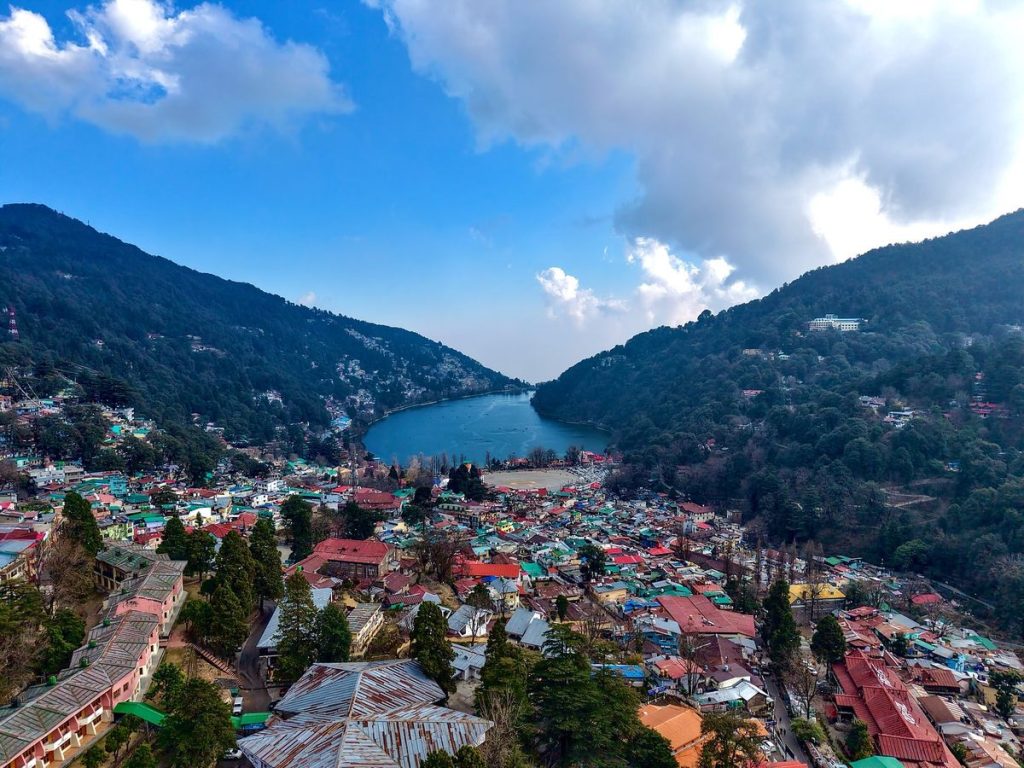
The Kumaon region of Uttarakhand stands as one of the most enchanting and culturally vibrant zones of the Indian Himalayas. Blessed with snow-capped peaks, lush valleys, sparkling rivers, ancient temples, and serene lakes, Kumaon is known for its profound natural charm and deep-rooted traditions. This region has a unique soul—something that attracts travellers, writers, pilgrims, nature lovers, trekkers, and spiritual seekers from across the world.
Stretching from the foothills of the Terai forests to the high Himalayas bordering Tibet and Nepal, Kumaon offers a breathtaking mosaic of landscapes, cultures, cuisines, and stories. Cities like Nainital, Almora, Ranikhet, Pithoragarh, Champawat, Bageshwar, Munsiyari, and Mukteshwar form the heart of this land, each carrying its own identity and beauty.
In this detailed 3000-word article, we will explore Kumaon’s geography, history, tribes, culture, festivals, wildlife, tourism, cuisine, and modern development—painting a vivid picture of why Kumaon remains one of India’s most treasured Himalayan regions.
1. Introduction: The Land of Gods, Nature, and Ancient Heritage
Kumaon is often described as a land where time moves slowly yet meaningfully. The sound of temple bells blends with the soft rustling of pine forests. Terraced farms step down from the mountainsides, and small villages preserve centuries-old customs. The region’s beauty isn’t only in its landscapes but also in the lives of its people—simple, warm, culturally rich, and deeply connected with nature.
While the modern world progresses rapidly, Kumaon retains its traditional charm, offering travelers a chance to step into a world where mountains heal the soul and nature speaks a silent language.
2. Geography of Kumaon: A Diverse Himalayan Wonderland
Kumaon lies in the eastern part of Uttarakhand and is divided into six major districts:
Nainital
Almora
Pithoragarh
Champawat
Udham Singh Nagar
Bageshwar
Landscape Diversity
The region’s geography changes dramatically:
Terai plains rich in agriculture and dense forests
Middle Himalayas with pine, deodar, and oak forests
Upper Himalayan region with snow-covered peaks and high-altitude meadows
Glacial zones in areas like Munsiyari and Johar Valley
Major Peaks
The Kumaon Himalayas boast majestic peaks like:
Panchachuli
Nanda Devi East
Nanda Kot
Trishul
These mountains paint a breathtaking backdrop and create opportunities for trekking, photography, and mountaineering.
Lakes and Rivers
Kumaon is known as the Land of Lakes, thanks to its beautiful natural water bodies:
Naini Lake
Bhimtal
Sattal
Naukuchiatal
Khurpatal
Major rivers originating or flowing through Kumaon include:
Kali River
Ramganga
Saryu
Pindar
3. Historical Background: A Region of Ancient Dynasties and Legends
Kumaon’s history spans thousands of years. Ancient scriptures reference the region as part of the Katyur Valley—a powerful kingdom once flourishing around Baijnath.
The Katyuri Dynasty
The Katyuris ruled from the 7th to 11th centuries and built beautiful temples like:
Baijnath Temple Complex
Jageshwar Temple Cluster
Their architectural style, stone carvings, and ritualistic traditions still influence Kumaoni culture today.
The Chand Dynasty
Following the Katyuris, the Chand Dynasty flourished between the 11th and 18th centuries. They shifted the administrative capital to Almora and shaped the cultural and artistic foundation of modern Kumaon.
Colonial Era
The British were charmed by Kumaon’s pleasant climate and scenic beauty. Cities like:
Nainital (summer capital of United Provinces)
Ranikhet
Binsar
became major cantonments and hill stations.
4. People, Culture, and Lifestyle: The Heart of Kumaon
Kumaon’s culture is rich, colorful, and deeply spiritual.
Languages
People mainly speak:
Kumaoni
Hindi
Johari dialects in Munsiyari
Raji (an indigenous tribal language)
Traditional Attire
Women traditionally wear pichhora (a yellow/orange embroidered cloth) during ceremonies, while men often wear pyjama-kurta with traditional topis.
Values and Lifestyle
The Kumaoni lifestyle revolves around:
Farming
Animal husbandry
Handicrafts
Temple culture
Community bonds
Despite modernization, their connection with nature remains intact, offering a peaceful and grounded way of life.
5. Festivals and Traditions: Celebrating Nature and Spirituality
Festivals in Kumaon reflect respect for nature and ancestral traditions.
Harela
A festival celebrating greenery and agricultural prosperity. People sow seeds in small baskets and worship them as a symbol of the upcoming harvest.
Bhitauli and Bikhauti
Special festivals for daughters and agricultural prosperity.
Nanda Devi Festival
One of the most revered festivals of Almora, dedicated to Goddess Nanda Devi.
Jageshwar Shravan Mela
Held at the ancient Jageshwar temple complex, it attracts thousands of devotees.
Uttarayani Fair
A cultural fair combining trade, dance, music, and traditional healing practices.
Kumaoni Folk Music and Dance
Kumaon is famous for:
Jagar (spiritual invocation)
Chanchari dance
Jhoda dance
Hurkiya Baul songs
These art forms preserve ancient legends of gods, heroes, and nature spirits.
6. Kumaoni Cuisine: Simple, Earthy, and Nutrient-Rich
Kumaoni food mirrors its mountainous environment—nutritious, rustic, and flavored with local herbs and spices.
Popular Dishes
Bhat ki Chudkani
Aloo Ke Gutke
Urad Ke Bade
Singori (a sweet wrapped in mallu leaf)
Jhangore Ki Kheer
Kafuli (leafy green curry)
Chainsoo
The food is typically cooked over slow flame, preserving its taste and nutritional value.
7. Tourism in Kumaon: A Paradise for Every Traveller
Kumaon is one of India’s finest tourism regions, offering a variety of experiences.
A) Hill Stations
1. Nainital
Known as the Lake District of India, Nainital’s beauty lies in:
Naini Lake
Snow View Point
Naina Devi Temple
Tiffin Top
Mall Road
A perfect mix of tranquility and charm.
2. Almora
Attractive for its:
Picturesque valleys
Cultural richness
Binsar Wildlife Sanctuary
Bright End Corner
Kasar Devi Temple
Kasar Devi has been visited by personalities like Bob Dylan, Swami Vivekananda, and Danish philosopher Timothy Leary.
3. Ranikhet
A quiet and scenic cantonment town surrounded by pine forests and offering clear views of Himalayan peaks.
B) Valleys and High-Altitude Destinations
Pithoragarh
Known as “Little Kashmir,” Pithoragarh is a scenic region of valleys, rivers, and forts.
Munsiyari
A gateway to Johar Valley and famous for the Panchachuli Peak views. It is a paradise for trekkers and adventure lovers.
Bageshwar
Meeting point of Saryu and Gomti rivers, home to ancient temples and scenic landscapes.
C) Temples and Spiritual Sites
Kumaon has countless ancient temples:
Jageshwar Dham
Kainchi Dham
Baleshwar Temple
Golu Devta Temples in Chitai & Ghorakhal
Patal Bhuvaneshwar (limestone cave temple)
Each shrine is surrounded by forests, mountains, and mystical charm.
D) Adventure Tourism
Kumaon is rapidly becoming an adventure hub offering:
Trekking trails
Paragliding in Bhimtal
River rafting in Saryu and Pindar
Skiing in Munsiyari
Camping in Mukteshwar and Chaukori
8. Wildlife and Forests: A Biodiversity Rich Zone
Kumaon’s forests are dense and diverse. You’ll find:
Pine
Oak
Deodar
Rhododendron
Birch
Major National Parks / Sanctuaries
1. Jim Corbett National Park
India’s oldest national park known for:
Bengal tigers
Elephants
Deer
Rare birds
2. Binsar Wildlife Sanctuary
A peaceful sanctuary ideal for trekking and bird-watching.
3. Askot Wildlife Sanctuary
Home to snow leopards in upper Himalayan ranges.
Wildlife Species Found
Himalayan black bear
Monal (state bird)
Barking deer
Musk deer
Leopards
Jungle cat
Various migratory birds
9. Handicrafts, Art, and Local Industries
Kumaon’s artisans are known for:
Ringaal handicrafts
Copperware
Pashmina and woolen shawls
Wood carvings
Traditional ornaments
The craftsmanship reflects centuries of heritage and artistry.
10. Social Life and Villages: The Soul of Kumaon
Kumaoni villages offer an entirely different world—one filled with:
Stone and slate-roof houses
Terrace farming
Traditional water mills
Community gatherings
Evening rituals and folk music
Villagers depend heavily on agriculture, cattle rearing, and seasonal work. Despite modern influences, rural Kumaon remains rooted in simplicity, harmony, and cultural pride.
11. Education, Development, and Modern Progress
Kumaon has grown steadily in infrastructure, with improvements in:
Road connectivity
Schools and colleges
Hospitals
Tourism facilities
Eco-friendly projects
Cities like Haldwani and Kashipur have become major economic centres, while Nainital and Almora continue to grow as educational hubs.
Environmental Concerns
Development brings challenges such as:
Deforestation
Wildlife conflicts
Soil erosion
Migration from villages
Climate-related issues
Efforts are being made to promote sustainable tourism and eco-development.
12. Why Kumaon is Unique: A Himalayan Jewel
Kumaon stands out for several reasons:
1. Natural Beauty
From lakes to peaks, forests to meadows, every corner is picturesque.
2. Rich Culture
Centuries-old festivals, songs, dances, and rituals enrich the region.
3. Spiritual Heritage
Ancient temples, sacred caves, and peaceful ashrams make it spiritually powerful.
4. Warm Hospitality
Kumaoni people are known for their humility and warmth.
5. Adventure and Wildlife
Trekking, paragliding, wildlife safaris—all find their home here.
6. Culinary Uniqueness
Flavors of Himalayan herbs and traditional recipes define Kumaoni cuisine.
13. Conclusion: Kumaon – A Land That Lives in the Heart Forever
Kumaon is not just a region—it’s an emotion. It’s a place where every mountain peak tells a story, every forest carries a legend, and every temple radiates ancient energy. The people, the culture, the landscapes, the festivals, and the deep connection with nature make Kumaon a true Himalayan paradise.
Whether you seek peace, adventure, spiritual awakening, or cultural exploration, Kumaon opens its arms with warmth and leaves a lasting memory in the heart. It is a land where the past lives gracefully with the present and where nature guides life with its gentle rhythm.
Kumaon is timeless. Kumaon is magical. Kumaon is unforgettable.