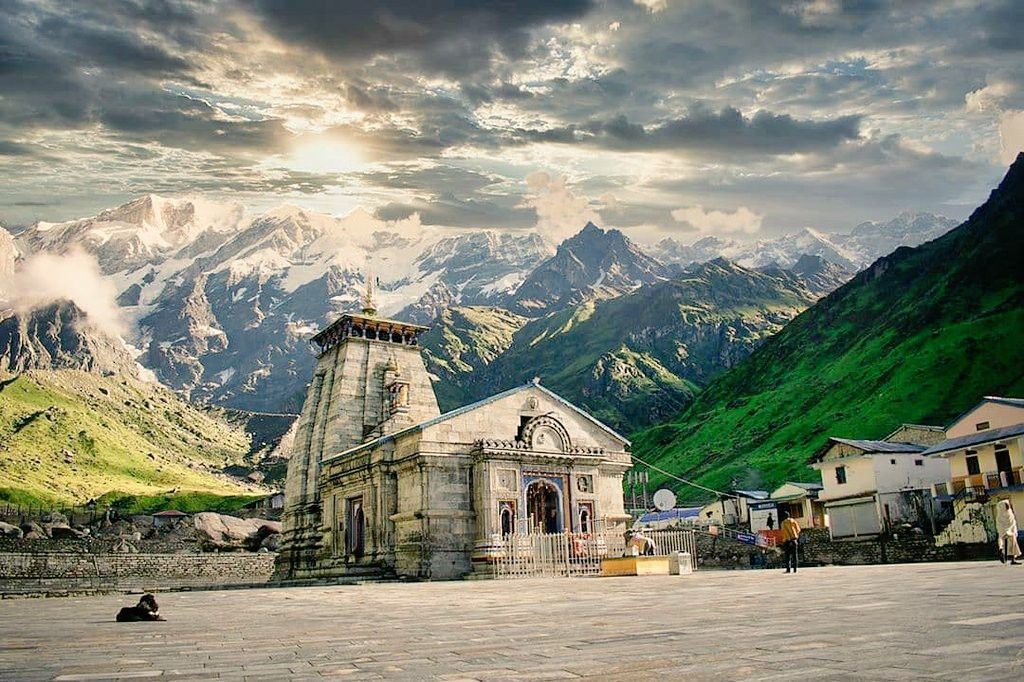
Nestled high in the majestic lap of the Garhwal Himalayas, Kedarnath stands as one of the most revered and spiritually charged pilgrimage destinations in India. With its mighty snow-clad peaks, mythological significance, and awe-inspiring landscapes, Kedarnath is more than just a holy shrine—it is an emotion, a lifetime experience, and a beautiful blend of faith, devotion, courage, history, and nature’s dramatic grandeur. Every year, lakhs of devotees undertake a challenging yet deeply fulfilling journey to reach the sacred Kedarnath Temple, dedicated to Lord Shiva. This timeless Himalayan shrine lies at an altitude of approximately 3,583 meters (11,755 ft) and is surrounded by towering peaks like Kedar Dome, Chaukhamba, and Mandani.
To truly understand Kedarnath, one must explore its spiritual roots, historical existence, the difficult pilgrimage route, and the unforgettable natural beauty that envelops it. This 2000-word content attempts to capture the essence of Kedarnath—not just as a destination, but as a soulful journey that leaves a lasting impact on every visitor.
1. The Spiritual Legacy of Kedarnath
Kedarnath is one of the twelve Jyotirlingas, the holiest Shiva shrines in the country. It is also the most important of the Panch Kedar temples—Kedarnath, Tungnath, Rudranath, Madhyamaheshwar, and Kalpeshwar—each representing a different part of Lord Shiva’s divine form. The legends associated with Kedarnath are deeply rooted in Hindu mythology, especially the epic Mahabharata.
The Mahabharata Connection
According to mythological belief, after the Kurukshetra war, the Pandavas sought forgiveness from Lord Shiva for the bloodshed and sins committed during the battle. But Lord Shiva, displeased with the destruction, avoided them and took the form of a bull. When the Pandavas located him, he submerged into the ground. The hump of the bull appeared at Kedarnath, while his other body parts emerged at the locations of the other Panch Kedar temples.
Thus, Kedarnath is considered the place where Shiva, the “Lord of Kedar,” finally forgave the Pandavas and blessed them with liberation. This powerful story forms the spiritual foundation of the temple and gives it an unbeatable significance in Hindu tradition.
2. The Ancient Origin of the Temple
The Kedarnath Temple is believed to be over 1200 years old and was originally established by the Pandavas. However, the present structure was rebuilt in the 8th century by the great Hindu philosopher and reformer Adi Shankaracharya. He is also believed to have taken samadhi near the temple, and a shrine dedicated to him stands close to the main complex.
The temple’s architecture reflects ancient Himalayan craftsmanship. It is constructed from huge, heavy grey stone slabs believed to be transported from long distances, an extraordinary achievement considering the rugged terrain. The temple’s inner sanctum houses a natural triangular-shaped Shiva lingam—symbolizing the mythological hump of the bull form of Shiva.
3. The Geographic Grandeur of Kedarnath
One cannot speak about Kedarnath without admiring its dramatic geographical setting. Situated near the head of the Mandakini River, the temple sits at the base of the towering Kedarnath peak and is surrounded by glaciers and high-altitude meadows.
Majestic Surroundings
-
Kedar Massif forms the backdrop of the temple with colossal snow-capped mountains.
-
The Chorabari Glacier, once feeding the Mandakini River, lies just a few kilometers uphill.
-
The valley around Kedarnath blooms beautifully during summer, with numerous alpine flowers, rare plants, and Himalayan wildlife.
Kedarnath’s environment is known for its purity, stillness, and mystical charm. The cold mountain air, the sound of flowing streams, and the silence of the wilderness create a spiritual atmosphere unmatched anywhere else.
4. The Difficult Yet Soulful Yatra
The journey to Kedarnath is not just a trek—it is a test of devotion, endurance, and willpower. Historically, the path was more rugged and unpredictable, but over the years, it has been improved significantly to ensure safety and accessibility.
Reaching Gaurikund
Before the trekking route begins, pilgrims must reach Gaurikund, the base camp. It is named after Goddess Parvati, who is believed to have meditated here to win Lord Shiva’s affection.
From Rishikesh or Haridwar, pilgrims travel through:
-
Rudraprayag
-
Guptkashi
-
Sonprayag
-
and finally Gaurikund
The 16–18 km Trek
The trek from Gaurikund to Kedarnath is nearly 16-18 km long. The path ascends steeply through mountains, forests, waterfalls, and rocky terrain. Along the route, pilgrims witness breathtaking views of steep valleys and towering peaks.
Options for the Pilgrimage
-
Trekking on foot (most preferred for spiritual fulfillment)
-
Palki/Doli services
-
Pony/mule rides
-
Helicopter services from Phata, Sersi, Guptkashi, and other helipads
Regardless of the mode chosen, the journey is profoundly moving. As one climbs higher, the air becomes thinner, colder, and purer, intensifying the spiritual experience.
5. Kedarnath: The Temple Rituals and Spiritual Atmosphere
The sacred environment of Kedarnath Temple leaves a deep emotional impression on visitors. The sound of bells, chants, and the pure fragrance of incense blend with the cold Himalayan breeze, creating a divine ambiance.
Daily Rituals
The temple follows ancient rituals:
-
Morning Maha Abhishekam, where the Shiva lingam is bathed with water, milk, and ghee.
-
Evening Aarti, a spectacular ceremony performed with lamps and sacred sounds.
The atmosphere during the evening aarti is particularly mesmerizing as the flickering lights reflect on the mountains, and chants echo through the valley.
The Winter Journey of the Deity
During winter, the temple becomes inaccessible due to heavy snowfall. The idol of Lord Kedarnath is transferred to Omkareshwar Temple in Ukhimath, where puja continues for the next six months. This symbolic migration reflects the deep respect for nature’s cycles and ensures uninterrupted worship.
6. Wildlife and Natural Wonders Around Kedarnath
The region around Kedarnath is part of the Kedarnath Wildlife Sanctuary, home to several rare species:
-
Himalayan Musk Deer
-
Snow Leopard
-
Himalayan Black Bear
-
Monal Pheasant (state bird of Uttarakhand)
The natural beauty is enhanced by:
-
Alpine Forests
-
Snow Meadows
-
Rare Himalayan Flowers like Brahma Kamal
-
Crystal-clear streams
-
High-altitude grasslands
The sight of clouds brushing the mountains or the sunrise illuminating the peaks is unforgettable.
7. The 2013 Kedarnath Tragedy and Rebirth
One of the darkest moments in Kedarnath’s modern history came in June 2013, when unexpected cloudbursts and massive floods devastated the region. Tons of water flowed from the Chorabari Lake, destroying the town and causing huge loss of life and infrastructure.
A Miraculous Survival
Despite the destruction around it, the Kedarnath Temple survived miraculously, shielded by a massive boulder—now called the Bhim Shila. This boulder diverted the flood waters, saving the temple from being washed away. Today, the Bhim Shila stands behind the temple as a symbol of divine protection.
Reconstruction and Modern Facilities
The government undertook large-scale reconstruction:
-
New, safer trekking routes
-
Stronger retaining walls
-
Better accommodation facilities
-
Helipads
-
Improved disaster management systems
Kedarnath emerged stronger and more protected, symbolizing resilience and divine grace.
8. Kedarnath Beyond Religion: A Destination of Inner Transformation
While Kedarnath is a holy shrine for Hindus, its appeal goes far beyond religion. Visitors from across the world—travelers, trekkers, photographers, nature lovers, spiritual seekers—come here to experience the Himalayas in their rawest form.
A Place of Peace and Introspection
The silence of the mountains, the isolation from modern life, and the sheer magnitude of nature often inspire deep introspection. Many travelers describe their Kedarnath journey as life-changing because:
-
It strengthens faith (in God, in oneself, or in life).
-
It teaches patience and resilience.
-
It brings clarity and calmness.
-
It creates emotional and mental rejuvenation.
The journey becomes a meditation in itself.
9. Major Attractions Around Kedarnath
Besides the main temple, several nearby attractions add depth to the pilgrimage experience.
1. Bhim Shila
The large boulder that protected the temple during the 2013 floods. Pilgrims visit it as a symbol of divine intervention.
2. Chorabari Tal (Gandhi Sarovar)
A glacial lake located 3 km above the temple. It offers breathtaking views and peaceful surroundings. It is believed that Mahatma Gandhi’s ashes were immersed here.
3. Gaurikund
A sacred site where Goddess Parvati meditated. It also has hot water springs considered holy by devotees.
4. Vasuki Tal
A beautiful lake located at a higher altitude. The trek is challenging but offers pristine scenery.
5. Shankaracharya Samadhi
A spiritual place where Adi Shankaracharya attained samadhi. It is located just behind the temple.
10. When to Visit Kedarnath
The temple opens in April–May and closes in October–November. The best time to visit is:
-
May to June (pleasant weather, greenery)
-
September to October (clear skies, ideal for photography)
During monsoon (July–August), landslides are common, so it is not recommended for travel.
11. Accommodations and Facilities
Post 2013, Kedarnath now has:
-
GMVN guest houses
-
Tented accommodations
-
Dharamshalas
-
Basic hotels at Guptkashi, Sonprayag, Phata
The facilities are simple but functional due to the remote location.
12. The Emotional Impact of the Journey
What makes Kedarnath unique is not just the destination—it’s the emotional and spiritual awakening it brings. The hardships of the journey, the breathlessness, and the exhaustion make the first sight of the temple incredibly moving. Many pilgrims cry, fold their hands, or simply fall silent upon reaching the temple.
Why Kedarnath Feels Special
-
Its remote location
-
The power of the mountains
-
The ancient history
-
The mythological stories
-
The sense of divine presence
All these elements combine to create an experience that stays with a person forever.
Conclusion
Kedarnath is not just a pilgrimage site; it is a sacred chapter in the heart of the Himalayas—a place where mythology, spirituality, nature, and human determination intersect. It is a destination that tests the limits of the body but enriches the depths of the soul. From its ancient stories and divine architecture to the breathtaking beauty of its snow-covered peaks and the emotional intensity of its pilgrimage route, Kedarnath offers an unforgettable journey that transforms lives.
Those who visit Kedarnath often say that they did not choose the journey—the journey chose them. And once completed, it becomes a cherished memory, a story of faith, and an experience that continues to inspire long after the traveler has returned home.